Why should homebuyers opt for sustainable buildings
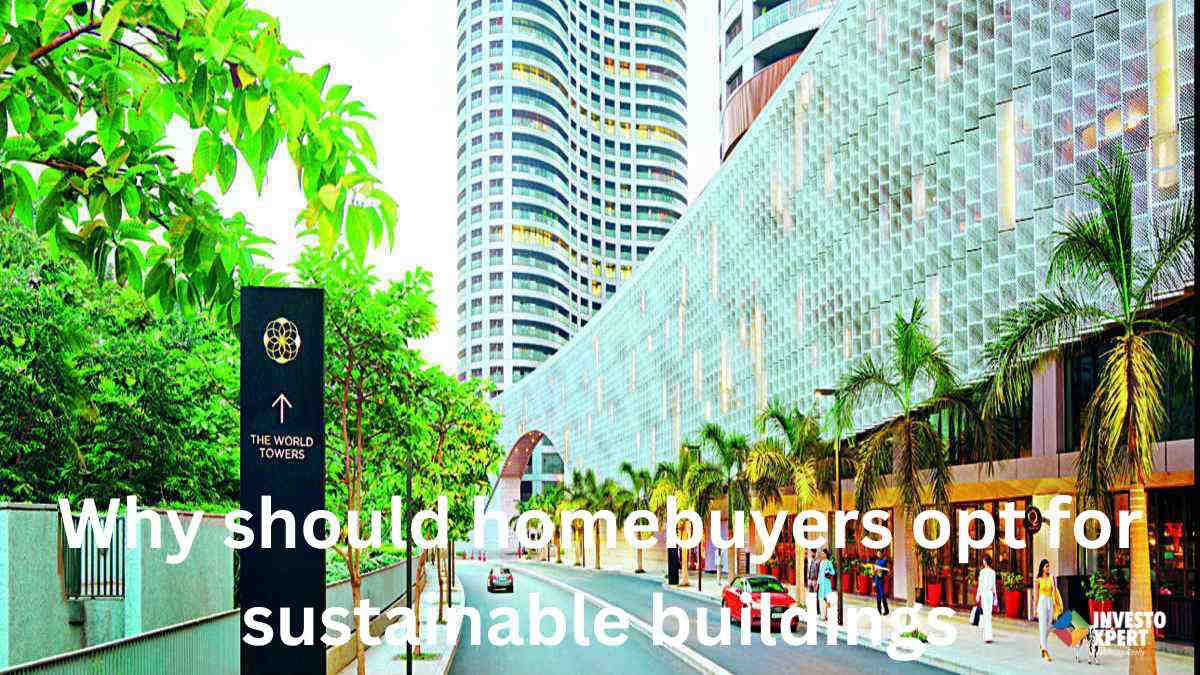
Why Should Homebuyers Opt For Sustainable Buildings?
There is an immediate need to combat global warming as a result of climate change. Humans and the entire natural ecosystem are impacted by rising temperatures. Prompt and effective action is necessary to counter these effects.
By 2030, the real estate market is expected to reach a valuation of $1 trillion USD. Growth in business is good for the economy and for homebuyers, but it also necessitates a greater commitment to lowering the industry's environmental impact. It's time to accelerate the transition to a green economy by striking a balance between environmental management and growth.
Read Also :- 2 BHK Flat for Sale in Manjari
Read Also :- 3 BHK Flat for sale in Manjari
Read Also :- 3 BHK Flat for Sale in Wakad
Read Also: - 2 BHK Flats For Sale In Wakad
Read Also: - Top 10 Best Residential Projects in Pune
Read Also:- Top 10 Best Residential Projects in Kharadi
Read Also: - Top 10 Best Residential Projects In Undri
Read Also: - Top 10 Best Residential Projects in Wagholi
Read Also: - Top 10 Best Residential Projects In Bangalore
Read Also : - Top 10 Best Interior Designers in Noida
Read Also : Luxury Projects in Wakad
Read Also : 4 BHK Flats for sale in Wakad
Read Also :- 4 BHK Flats For Sale in Pune
- Creating With Overall Wellbeing In Mind
It is crucial to design living areas that support a more integrative, health-conscious way of life. Green buildings are becoming more and more popular because they offer lower energy costs, better air and water quality, and increased well-being.
Sustainable living environments offer more than just these obvious advantages; they become allies in one's career and personal endeavors. These areas offer a setting where people can engage with one another and build great communities. The goal is to create environments that improve lives and influence coming generations.
Read Also: - Top 15 Best Residential Projects In Gurgaon
Read Also: Top 10 Best Residential Projects In Noida Extension
Read Also: - Top 10 Best Residential Projects In Sector-150 Noida
Read Also:- Top 10 Best Residential Projects in Noida
Read Also:- Top 10 Best Residential Projects in Wakad
Read Also :- Top 10 Best Interior Designers in Gurgaon
- Reducing Long-Term Expenses
In a residential community, shared expenses like water and electricity as well as services like maintenance, cleaning, and security must be paid for. Considerate planning and cost-effective management of shared facilities can result in large financial savings. By employing energy-efficient equipment, optimizing natural light, and ensuring adequate ventilation, a building that adheres to sustainable design principles can reduce its ongoing maintenance expenses.
- Lowering energy costs
The goal of sustainable building design is to use less energy. Reducing energy expenses can be achieved by using energy-efficient fixtures like motion sensors and LED lighting. By using renewable energy sources, like solar and wind turbines, to generate energy locally without damaging the environment, buildings can become more energy-efficient. Homeowners benefit from lower electricity costs as a result.
- Reducing water expenses
Buildings with green certification are planned and designed to use less water. Water-conserving aerators in faucets and smart water metering technologies, along with modern plumbing and low-flow fixtures, will assist monitor usage and preserve water. Reusing treated wastewater and collecting rainfall can help reduce the demand for fresh water even more. This can protect the scarce water supply and save residents' water bills.
Read Also:- Top 10 Best Residential Projects in Bavdhan
Read Also:- Top 10 Best Residential Projects in Nibm
Read Also:- Top 10 Best Residential Projects in Talegaon
Read Also:- Top 10 Best Low Rise Apartments in Gurgaon
Read Also:- Top 10 Best Residential Projects in Mamurdi
Read also: Top 10 Best Commercial Property in Noida
- Better quality of life
Green or sustainable buildings are made with less hazardous air pollution in mind. The air quality inside the buildings can be controlled by using low VOC paints, smart air filters, and purifiers, as well as clever design that enhances ventilation. In addition to lowering respiratory infections and other health issues, this fosters a healthier home atmosphere.
- A Peaceful Way Of Life
Long-term recurrent maintenance expenses are minimized in sustainable buildings, which also guarantee improved living conditions for homeowners and lessen their negative effects on the environment. A lot of green space is included in the design of green buildings, including open-air podiums, rooftop gardens, and other landscaping elements. These areas lessen noise pollution while giving locals a tranquil spot to unwind.
Read Also: Top 10 Best Residential Projects in Kolkata
Read Also: Top 10 Best Commercial Property in Noida Expressway
Read Also: Top 10 Best Residential Projects in Yamuna Expressway
Read Also: Top 10 Best Residential Projects in Ghaziabad
Read Also: Top 10 Best Commercial Property in Noida Extension
- Building A Brighter Future
When searching for a property, prospective purchasers should give sustainable buildings more weight. In order to achieve a sustainable future, the government, real estate stakeholders, and consumers must work together.
How Sustainable Homes Are Changing the Real Estate Market ?
Let's examine the ways in which India's real estate market is undergoing a paradigm change that will make green and sustainable homes the nation's future:
1) Diminishing The Carbon Imprint
Reducing the carbon footprint is one of the main objectives of green and sustainable housing. These houses use sustainable energy sources, such as wind and solar electricity, and creative design aspects. Additionally, they emphasize the use of energy-efficient lighting and appliance systems, which drastically cut down on electricity usage and greenhouse gas emissions. These residences actively aid in reducing climate change by encouraging a low-carbon lifestyle.
Read Also : Top 10 Best Luxury Apartments in Bhopal
Read Also : Top 10 Best Affordable Housing Projects in Noida
Read Also : Top 10 Best Luxury Apartments in Kolkata
Read Also : Top 10 Best Affordable Housing Project in Delhi
Read Also : Top 10 Best Affordable Housing Projects in Gurgaon
2) Cost-effectiveness and Energy Efficiency
In India, energy efficiency is prioritized in green homes by using cutting-edge technologies. Energy-saving appliances, appropriate insulation, and smart thermostats are some of the features that save energy use and utility costs. Long-term cost savings are possible for homeowners because these homes have far lower operating expenses than standard residences. Water saving and lower water costs are further achieved by incorporating wastewater treatment facilities and rainwater gathering systems.
3) Healthy Living Areas
The residents' health and well-being are given first priority in green homes. They employ eco-friendly, non-toxic building materials that improve indoor air quality and reduce indoor air pollution. While lowering the demand for artificial lighting and air conditioning, proper ventilation systems and natural illumination ensure a comfortable living environment. Furthermore, green spaces like rooftop and vertical gardens—which enhance air quality and create a peaceful, restorative atmosphere—are frequently included in green homes.
4) Encouraging Ecological Communities
Beyond just one person's residence, green and sustainable homes have a greater influence. They encourage the growth of sustainable neighborhoods and communities. Community gardens, bike lanes, and electric vehicle charging stations are examples of the sustainable infrastructure and amenities that developers are placing a greater emphasis on including. These programs foster community involvement, eco-friendly practice adoption, and a sense of shared accountability for the environment among locals.
5) Proactive Government Measures and Rewards
The Indian government has launched a number of programs to promote the development of green and sustainable housing because it understands its relevance. Building sustainability is now assessed using the “Leadership in Energy and Environmental Design” (LEED) and “Green Rating for Integrated Habitat Assessment” (GRIHA) certifications. Incentives and tax breaks are also provided to developers and purchasers who use environmentally friendly and sustainable practices. The development of green real estate in India has been greatly aided by these government efforts.
Conclusion
In India, green and sustainable housing is quickly taking the lead in the real estate market. They combine an emphasis on sustainable communities and healthy living with energy efficiency, financial savings, and environmental awareness. Owing to the growing need for environmentally sustainable living environments and the government's backing through laws and incentives, the nation's green real estate market is expected to experience substantial expansion.
We anticipate favourable effects on the environment, the economy, and the general well-being of communities throughout India as more consumers become aware of the long-term advantages of greenhouse construction.
Read Also : Top 10 Best Luxury Apartments in Kochi
Read Also : Top 10 Best Luxury Apartments in Lucknow
Read Also : Top 10 Best Affordable Housing Project in Goa
Read Also : Top 10 Best Affordable Housing Project in Lucknow
Read Also : Top 10 Best Affordable Housing Project in Ghaziabad
Read Also : Top 10 Best Affordable Housing Project in Ahmedabad
Read Also : Top 10 Best Affordable Housing Project in Hyderabad
Read Also : Top 10 Best Affordable Housing Project in Bangalore
Read Also : Top 10 Best Affordable Housing Project in Mumbai
Read Also : Top 10 Best Affordable Housing Project in Chennai
Read Also : Top 10 Best Affordable Housing Project in Bhopal
Read Also : Top 10 Best Affordable Housing Project in Chandigarh
Read Also : Top 10 Best Luxury Apartments in Delhi
Read Also : Top 10 Best Affordable Housing Project in Kochi
Read Also : Top 10 Best Affordable Housing Project in Kolkata
Read Also : Top 10 Best Luxury Apartments in Faridabad
Read Also : Top 10 Best Commercial Property in Gurgaon
Read Also : Top 10 Best Commercial Property in Faridabad
Read Also : Top 10 Best Commercial Property in Mumbai
Read Also : Top 10 Best Commercial Project in Pune
Read Also : Top 10 Best Commercial Property In Delhi
Read Also : Top 10 Best Commercial Property in Ghaziabad
Read Also : Top 10 Best Luxury Villas in Mumbai 2023
Read Also : Top 10 Best Luxury Villas in Chennai
Read Also : Top 10 Best Luxury Villas in Bangalore
Read Also : Top 10 Best Luxury Villas in Gurgaon
Read Also : Top 10 Best Luxury Villas in Pune
Read Also : Top 10 Best Luxury Villas in Hyderabad
Read Also : Top 10 Best Luxury Villas in Lucknow
Read Also : Top 10 Best Luxury Villas in Chandigarh
Read Also : Top 10 Best Commercial Property in Chandigarh
Read Also : Top 10 Best Commercial Property in Bangalore
Read Also : Top 10 Best Commercial Property In Chennai
Read Also : Top 10 Best Commercial Property In Ahmedabad
Read Also : Top 10 Best Commercial Property in Hyderabad
Read Also : Top 10 Best Commercial Property in Kolkata
Read Also : Top 10 Best Commercial Property in Lucknow
Read Also : Top 10 Best Commercial Property in Bhopal
Read Also : Top 10 Best Luxury Villas in Ghaziabad
Read Also : Top 10 Best Luxury Villas in Ahmedabad
Read Also : Top 10 Best Luxury Villas in Delhi
Read Also : Top 10 Best Luxury Villas in Kolkata
Read Also : Top 10 Best Commercial Property in Kochi
Read Also : Top 10 Best Commercial Property In Goa
Read Also : Top 10 Best Villas in Noida Extension
Read Also : Top 10 Interior Designers In Ghaziabad
Read Also : Top 10 Interior Designers In Ahmadabad
Read Also : Top 10 Interior Designers in Chandigarh
Read Also : Top 10 Interior Designers In Kochi
Read Also : Top 10 Interior Designers In Lucknow
Read Also : Top 10 Interior Designers in Faridabad
Read Also : Top 10 Interior Designer In Goa
Read Also : Top 10 Interior Designers In Bangalore
Read Also : Top 10 Interior Designer In Kolkata
Read Also : Top 10 Interior Designers In Chennai
Read Also : Top 10 Interior Designers In Bhopal
Read Also : Top 10 Best Interior Designers in Mumbai
Read Also : Top 10 Interior Designers In Hyderabad
Read Also : Top 10 Interior Designers in Pune
Read Also : Top 10 Interior Designers in Thane
Read Also : Top 10 Best Lowrise Apartments In Noida
Read Also : Top 10 Best Lowrise Apartments In Ghaziabad
Read Also : Top 10 Best Lowrise Apartments in Chennai
Read Also : Top 10 Best Low-rise Apartments In Ahmedabad
Read Also : Top 10 Best Low-Rise Apartments In Bangalore
Read Also : Top 10 Best Low-Rise Apartments In Mumbai
Read Also : Top 10 Best Lowrise Apartments In Hyderabad
Read Also : Top 10 Best Low-Rise Apartments In Bhopal
Read Also : Top 10 Best Low-Rise Apartments In Faridabad
Read Also : Top 10 Best Low-Rise Apartments In Lucknow
Read Also : 2 BHK Flat For Sale In Hinjewadi
Read Also : 2 BHK Flat for Sale in Kharadi
Read Also : 3 BHK Flats for Sale in Kharadi
Related Articles

Types Of Building Plans How To Design, Advantages
Types Of Building Plans How To Design, AdvantagesBuilding blueprints offer an image of how a structure will look when it is finished. Contractors and
What are Home Buyers expecting from Modi Government’s Maiden Budget?
What Are Home Buyers Expecting From Modi Government’s Maiden Budget?Expecting the now-fabled "achche din," homebuyers had high hopes for the first bud
Why are smart homes gaining popularity
Why Are Smart Homes Gaining Popularity?Technology is gradually permeating the nation's housing industry. The modern home buyer is becoming more and mo
Master Plan - What is it, Importance, Advantage & How it is made
Master Plan - What Is It, Importance, Advantage & How It Is Made?The city's long-term plans are called master plans. They therefore need to be com