Banking On Bricks: The Real Story Behind India's Real Estate Boom

Urbanization, disposable incomes, and the need for residential, commercial, and logistical space are some of the factors driving India Real Estate growth.
A strong economy has greatly boosted India's real estate market, which has become a key factor in the growth of the nation. After agriculture, real estate is the biggest employer in the country, accounting for 18% of all jobs. At its current valuation of $493 billion, the industry accounts for 7.3% of India's revenue. According to our estimates, this would rise to Rs 5.8 trillion by 2047, or 15.5% of India's total GDP. In addition to a growing need for data centers driven by advancements in the field, other major growth factors include expanding urbanization, rising disposable incomes, and increased demand for residential, commercial, and logistical spaces.
What Is The Role Of BFSI In Real Estate Growth?
The growth of the real estate industry is greatly aided by the banking, financial services, and insurance (BFSI) industry. It provides developers with funds through construction finance and lease rent discounting, and it makes necessary funding for homebuyers easier with mortgage products. Additionally, insurance products such as property and title insurance help reduce risks at every stage of the real estate lifecycle. Through real estate mutual funds (REMFs) and real estate investment trusts (Reits), mutual funds also improve institutional and individual investors' access to real estate.
Let’s Understand The Trends In Residential Real Estate
Due to changes in consumer tastes, the Residential Real Estate sector has seen a comeback since the epidemic. Notably, growing costs have caused the percentage of affordable housing, or dwellings under Rs 50 lakh, in total sales to drop from 54% in 2018 to 26% in 2024. On the other hand, houses worth more over Rs 1 crore have increased from 16% to 43% during the same time period, indicating that wealthy purchasers favor high-end options. Properties in the mid-range (Rs 50 lakh to Rs 1 crore) have stayed steady, often making around 30–37% of all transactions.
According to reports, 80% of respondents to a poll of 1,629 homebuyers in Tier-I cities in India favor house ownership; however, among Gen Z, who are more likely to rent, this choice reduces to 71%. There are several reasons why people buy homes: 37% want to improve, 32% are first-time purchasers, and 25% are real estate investors. For 50% of purchasers, location is a crucial consideration, closely followed by price (45%) and property size (45%). Even if richer purchasers also use personal resources, 74% of homebuyers rely on house loans, and 79% of them say that competitive interest rates and flexible loan alternatives are essential.
Stamp duty reductions have successfully increased property registrations, especially in high-value markets like property in Mumbai. Temporary stamp duty reductions implemented by the Maharashtra government during the pandemic resulted in a significant increase in transactions, particularly for residences valued at more above Rs 5 crore, highlighting the favorable relationship between tax breaks and sales of luxury real estate.
Despite a 5% goods and services tax (GST) on under-construction homes, a noteworthy 67% of respondents said they preferred them in order to take advantage of customization opportunities and prevent price increases as the project moves forward. Only 2% choose to resell, indicating a significant demand for new constructions, while 17% choose ready-to-move-in houses.
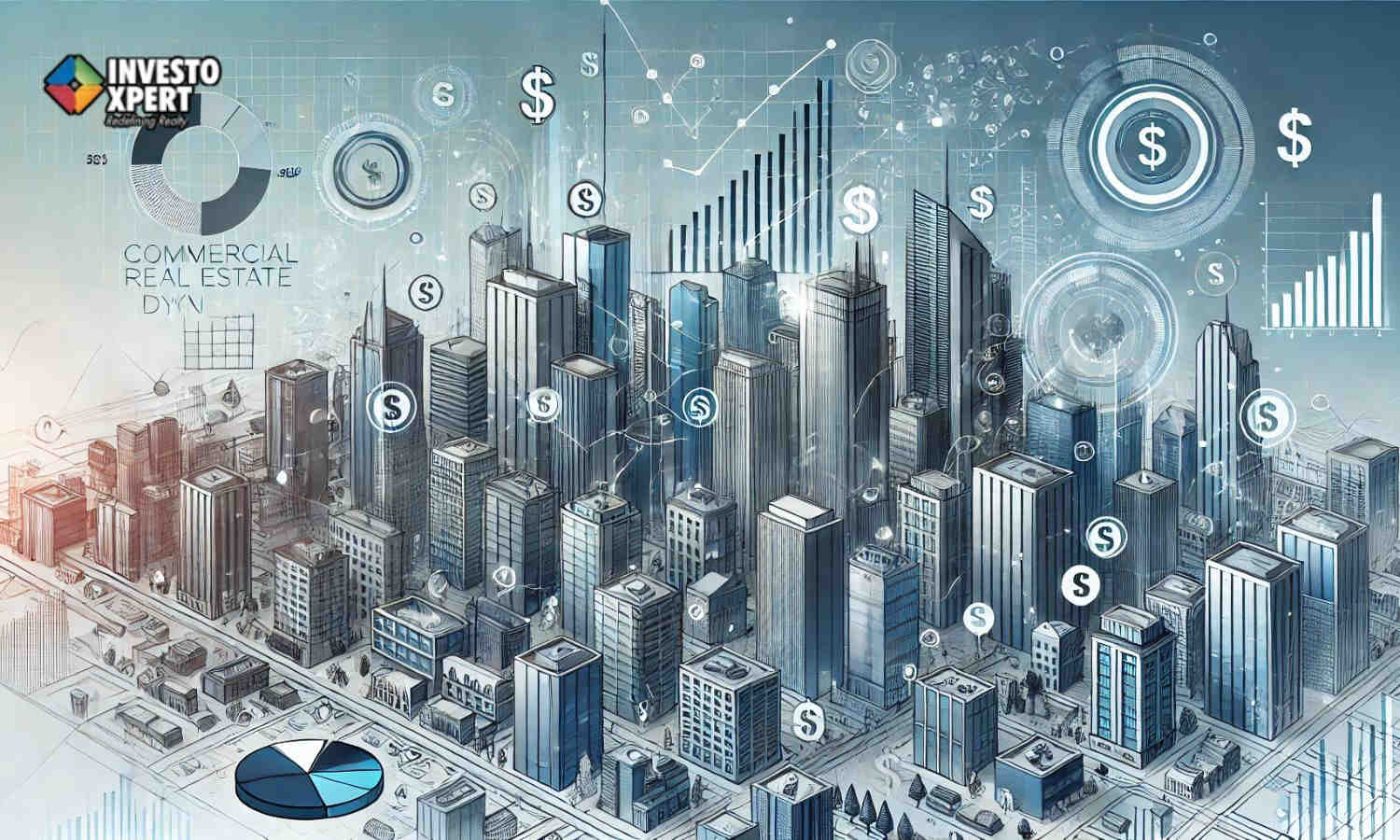
What Are The Buyer Priorities And Market Insights?
According to the report, homebuyers are taking a calculated and sensible strategy that strikes a balance between affordability and long-term investment potential. Because of their facilities, job possibilities, and connectedness, urban centers are preferred. Health care (58 percent), retail establishments (53 percent), public transportation (40 percent), round-the-clock security (36 percent), and green areas (37 percent) are among the essential features that purchasers prioritize.
Knowing In Details-Commercial Real Estate Dynamics
Growth of the office sector: India's Commercial real estate industry is now supported by urbanization, favorable government policies, robust GDP growth, and a changing workplace environment. Almost 53.7 million square feet of space were sold in the office category between January and September of 2024, a 27% increase over the same time last year. Global capability centers (GCCs) and companies with operations in India are the main drivers of this expansion, since they are looking for contemporary office space to support their growing operations. Flexible work arrangements, which call for creative and flexible workplace solutions, further increase demand.
Many businesses are revaluating their real estate plans as a result of the growing popularity of hybrid working, which has led to increased emphasis on technology integration and sustainability. In order to draw in tenants who value sustainability and operational effectiveness, developers are consequently increasingly integrating smart technology and green building standards into their designs.
Transforming The Retail Sector
The retail industry in India has recovered well from the epidemic and is currently enjoying a renaissance marked by influencer marketing, "revenge shopping," and tailored advertising for Gen Z customers. In order to redefine the brick-and-mortar experience, retailers are increasingly concentrating on developing distinctive and engaging shopping experiences. The terrain has a variety of physical stores dispersed over different regions.
These areas are now positioned as the next growth fulcrum for the retail real estate industry due to factors including economic expansion, more job possibilities, rising disposable incomes, and the spread of e-commerce into smaller towns.
- Shopping centers: As of 2023, India had 340 functioning shopping centers spread over 29 cities, totaling 125 million square feet. Ahmedabad, Bengaluru, Chennai, Hyderabad, Kolkata, Mumbai, the National Capital Region (NCR), and Pune were among the top eight markets. All classes of institutionally held assets are included in the retail centers. Residential, office, and retail real estate development have traditionally been concentrated in Tier-I cities, which account for 75% of the 11.6 million square meters of gross leasable area spread among 263 shopping centers. In terms of gross leasable area, Bengaluru, Mumbai, and the National Capital Region (NCR) top the list. With an astounding 18.4% of the gross leasable area among Tier-II cities, property in Lucknow has become a major participant along with other notable Tier-II cities contributing significantly to the shopping Centre stock include Kochi, Jaipur, Indore, and Kozhikode.
- High street stores in the top 8 markets: Of the 82% of stores in the top 8 cities, the largest percentages are found in Hyderabad (15%), Bengaluru (18%), and the National Capital Region (23%). Thirteen percent of these cities' shops are located in Mumbai. Retail centers are unable to match the retail experiences seen on several high streets of the popular cities and enhancing the property in Bangalore, Mumbai, and the National Capital Region. These areas, including Brigade Road, Indiranagar, Colaba Causeway, Connaught Place, and Khan Market, have a distinct personality because of the early adoption of contemporary shopping, organized retailing, and the growth of giant retailers. These main streets have a devoted clientele and are well-known for their blend of local and foreign showrooms. The percentage of multinational brands' real estate footprint in these three cities is between 13 and 15 percent, which is much greater than in other areas.
- Growth in warehousing: The decentralization of global manufacturing, supply chain optimization, and the emergence of e-commerce have all contributed to the thriving storage sector. With 36% of demand, the manufacturing sector leads the transaction volume, followed by e-commerce companies and third-party logistics providers. The rising demand for industrial parks close to cities highlights the necessity of effective logistical infrastructure.
Knowing About The Investment Trends And Opportunities
With Reits and private equity (PE) leveraging a variety of possibilities, real estate investment in India has seen revolutionary development. Indian Reits have gained popularity since its launch in 2014. In 2019, Embassy Office Parks went public, and Mindspace, Brookfield, and Nexus Select Trust Reits followed, managing 114.5 million square feet of properties between them. As demand from GCC companies and local businesses increases, reits, which now account for 11.9% of India's office market, have substantial development potential. Growing e-commerce and storage requirements are driving upcoming retail and industrial Reits, which indicate more opportunities for investment.
Financing landscape in real estate
The financing of the real estate industry depends heavily on Indian banks and non-banking financial corporations (NBFCs). Due to the increased demand for homes, bank housing loans increased from Rs 6.3 trillion in 2015 to Rs 28.3 trillion by August 2024. Banks gradually increased their wholesale portfolios, and commercial real estate loans topped Rs 4.9 trillion. Despite stricter restrictions encouraging careful lending, NBFCs provide flexible finance for smaller enterprises.
From the purchase of property until the project's completion, developer funding is still essential to its success. There are difficulties in obtaining funds, especially for land purchase, because of RBI circulars that limit bank lending for this reason. Developers frequently turn to expensive options like private equity or Alternative Investment Funds (AIFs). In order to reduce expenses for dependable developers, specific land finance products and interest rates based on track record and developer reputation are suggested remedies.
The high cost of loan security registration and stamp duty- some jurisdictions charge up to 2% stamp duty on loan amounts is another major obstacle. By allowing developers to reuse existing security for several loans, a rolling security structure or Master Facility Agreement might lower these costs, minimize repetitive transaction expenditures, and support affordable housing initiatives. When combined, these strategies produce an inexpensive, developer-friendly financing environment that promotes the expansion of the industry and the construction of affordable housing.

What Is The Meaning Of Title Insurance?
In India, title insurance is still in its infancy while being crucial for protecting property ownership. It shields lenders and property purchasers from damages brought on by title disputes, which is vital considering India's problems with land records. Adopting standards from the American Land Title Association (ALTA) model, implementing awareness campaigns with real estate professionals, and utilizing technology, such as blockchain, for transaction records are some ways that India might improve its regulatory framework and encourage its use. Creating flexible, region-specific solutions and integrating title insurance with mortgage products might expand the product's reach and boost consumer confidence in this essential service.
What Are The Emerging Technologies’ Association With Real Estate And BFSI?
Artificial intelligence, virtual reality, augmented reality, the Internet of Things, and fintech are some of the emerging technologies that are transforming the real estate industry and providing substantial advantages to the BFSI and real estate industries.
- AI and predictive analytics: Improve real estate appraisals and automate mortgage procedures, resulting in quicker, data-driven choices and less risk.
- By enabling immersive property tours, virtual and augmented reality can draw in a wider spectrum of purchasers, including foreign investors.
- IoT integration: Improves tenant satisfaction and building management, which leads to improved asset valuation and operational efficiency.
- Fintech solutions: Reduce administrative overhead for financial institutions by streamlining transactions, enhancing fraud detection, and automating regulatory compliance.
Stakeholders in both industries gain when these technologies work together to promote development, enhance consumer satisfaction, and make the real estate market more dynamic.
Infrastructural Development And Real Estate
India's infrastructure has developed significantly over the last ten years, thanks to large expenditures from the federal and state governments. Project execution and problem solving have been made easier by important programs including the National Infrastructure Pipeline (NIP), public-private partnerships (PPPs), and cutting-edge financing instruments like infrastructure investment trusts (Invits). Large-scale policy projects like Bharatmala and Sagarmala are designed to improve economic growth and connectivity; the NIP alone is aiming to invest $1.6 trillion between 2020 and 2025.
National roadways have grown by 48,154 kilometers, and capital investment on key infrastructure has significantly increased from 0.5% of GDP in 2013 to 2.2% in 2023. India's logistics performance has improved as a result of this development, as seen by its move up from 54th to 38th place in the Logistics Performance Index. However, the high cost of logistics still calls for further funding.
In addition to improving connectivity, infrastructure development transforms land use and promotes residential and commercial development, which in turn accelerates real estate expansion. Infrastructure finance still has a lot of promise, but private sector involvement has been restricted because of a number of issues, such as project delays and poor performance.
Although they now play a significant role in funding infrastructure, domestic lending institutions banks and NBFCs in particular have little exposure to overall investment demands.
Furthermore, there are chances for significant infrastructure investment through untapped financial instruments like pension funds. A sustained focus on advantageous policies, aggressive infrastructure expenditures, and the efficient use of a variety of financial instruments will be essential in resolving funding issues and guaranteeing project completion on schedule as India strives to become a developed economy by 2047.
Conclusion
For more information stay tuned with InvestoXpert and for any other query contact us now at:
CALL US: 9880083870
MAIL US: info@investoxpert.com
Read More: 2 BHK in Noida Extension
Read More: 3 BHK in Noida Extension
Read More: 4 BHK in Noida Extension
Read More: 2 BHK in Greater Noida West
Read More: 3 BHK in Greater Noida West
Read More: 4 BHK in Greater Noida West
Read More: 2 BHK in Noida Expressway
Read More: 4 BHK in Noida Expressway
Read More: Godrej Properties Noida
Read More: Top 10 Best Luxury Villas in Hyderabad 2024
Read Also : Top 10 Best Luxury Villas in Noida
Read Also : Top 10 Best Residential Projects in Noida
Read Also : Top 10 Best Residential Projects in Pune
Read Also : Top 5 Best Luxury Projects in Delhi
Read Also : Top 10 Best Luxury Projects in Bangalore
Read Also : Top 10 Best Luxury Projects in Gurgaon
Read Also : Top 10 Best Low Rise Apartments in Gurgaon
Related Articles

Types Of Building Plans How To Design, Advantages
Types Of Building Plans How To Design, AdvantagesBuilding blueprints offer an image of how a structure will look when it is finished. Contractors and

What are Home Buyers expecting from Modi Government’s Maiden Budget?
What Are Home Buyers Expecting From Modi Government’s Maiden Budget?Expecting the now-fabled "achche din," homebuyers had high hopes for the first bud

Why are smart homes gaining popularity
Why Are Smart Homes Gaining Popularity?Technology is gradually permeating the nation's housing industry. The modern home buyer is becoming more and mo

Master Plan - What is it, Importance, Advantage & How it is made
Master Plan - What Is It, Importance, Advantage & How It Is Made?The city's long-term plans are called master plans. They therefore need to be com